 SAS
SAS
 HRS4R
HRS4R 


Research Group Head
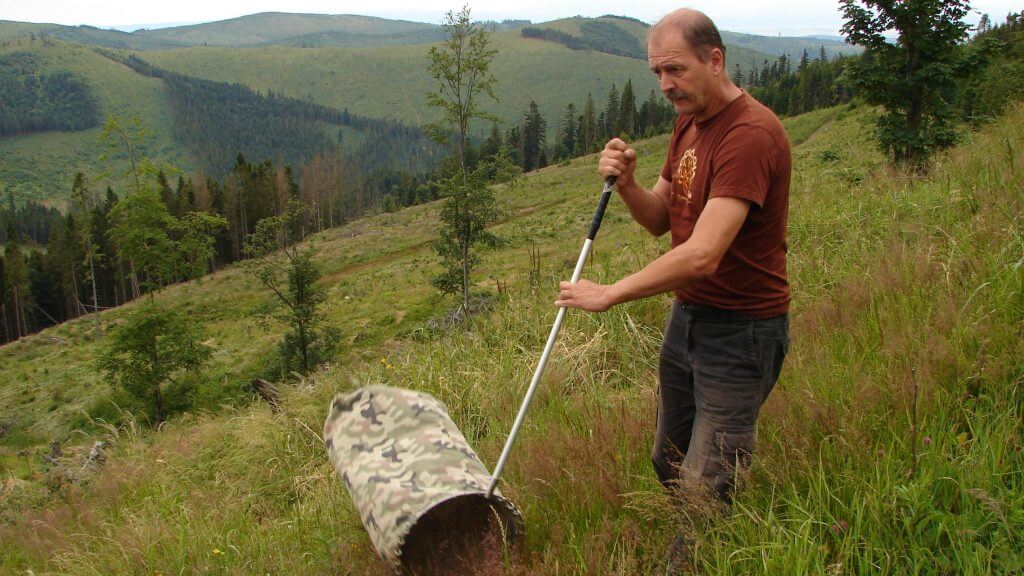
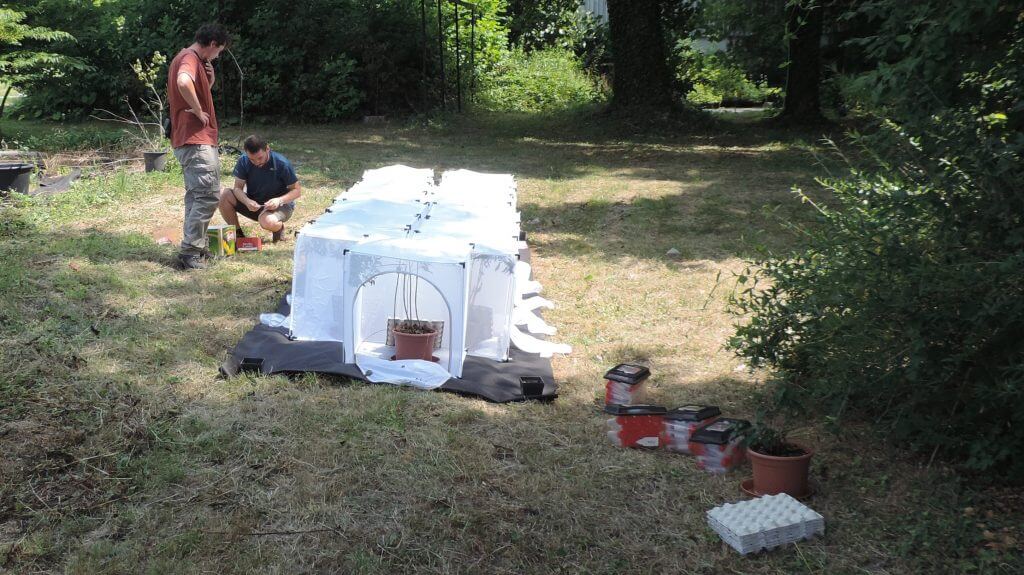
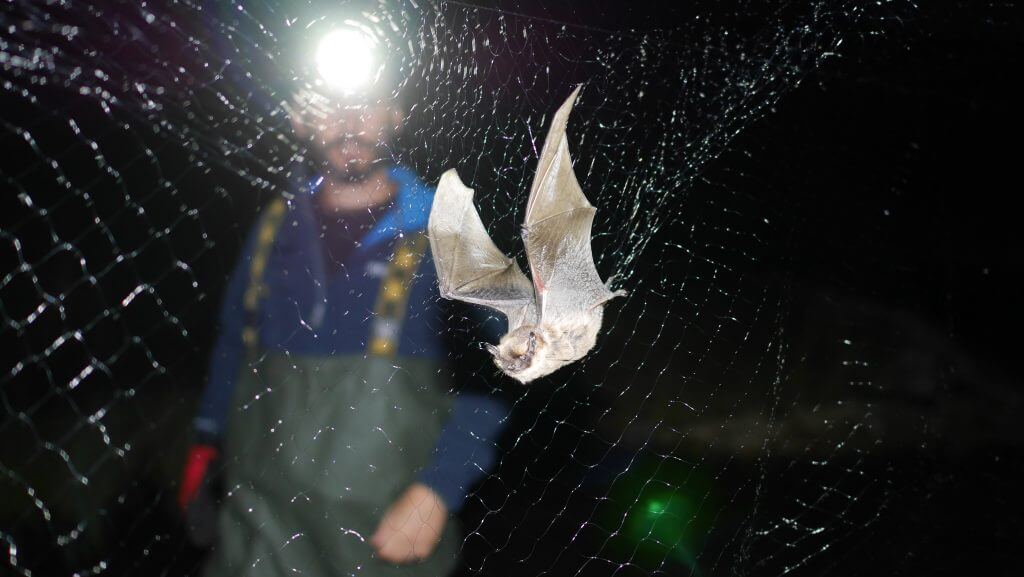
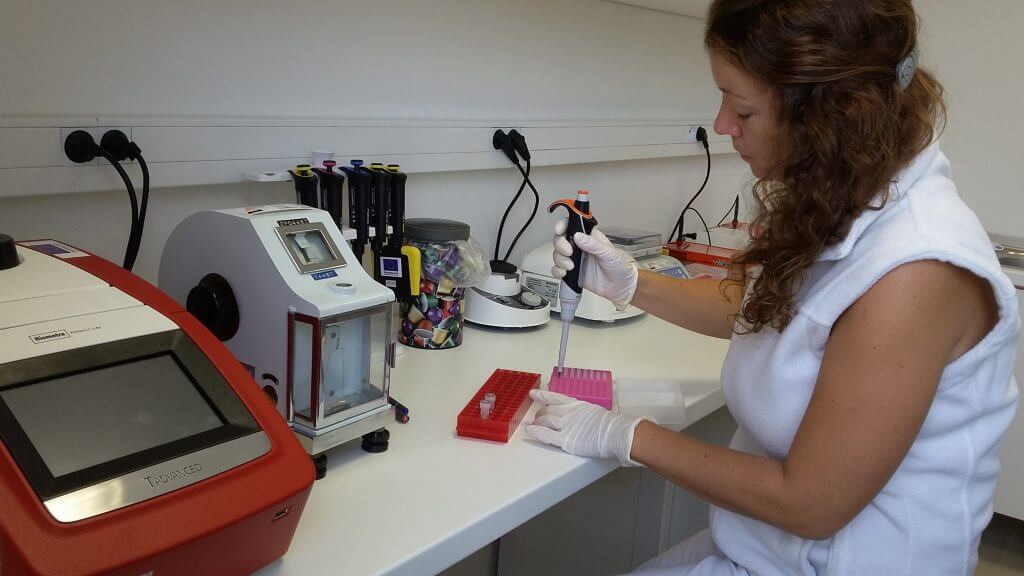
The main research areas of the Evolutionary and Behavioural Ecology Research Group include mechanisms of biological evolution in animal species of different taxonomical groups as tree-dwelling bats, large carnivores, song birds, bush-crickets and spiders. In particular, adaptations of organisms, life strategies, reproductive behaviour, colonisation histories, establishment and survival of populations in new habitats and impact of forest fragmentation on distributional patterns, genetic structure and phenotypic variation are studied. Results of this observational or experimental research that is based in the field or in the laboratory are applied in biodiversity conservation and management of species of European importance.
Research Area
- feeding behaviour of the brown bear and its influence on biodiversity and the causes of human-animal conflicts
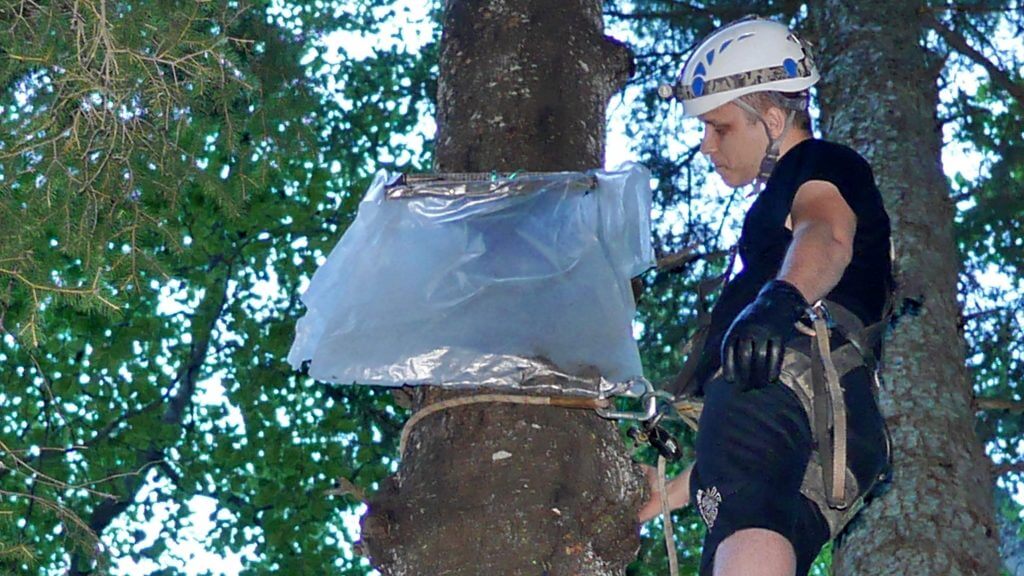
- swarming behaviour of tree-dwelling bats
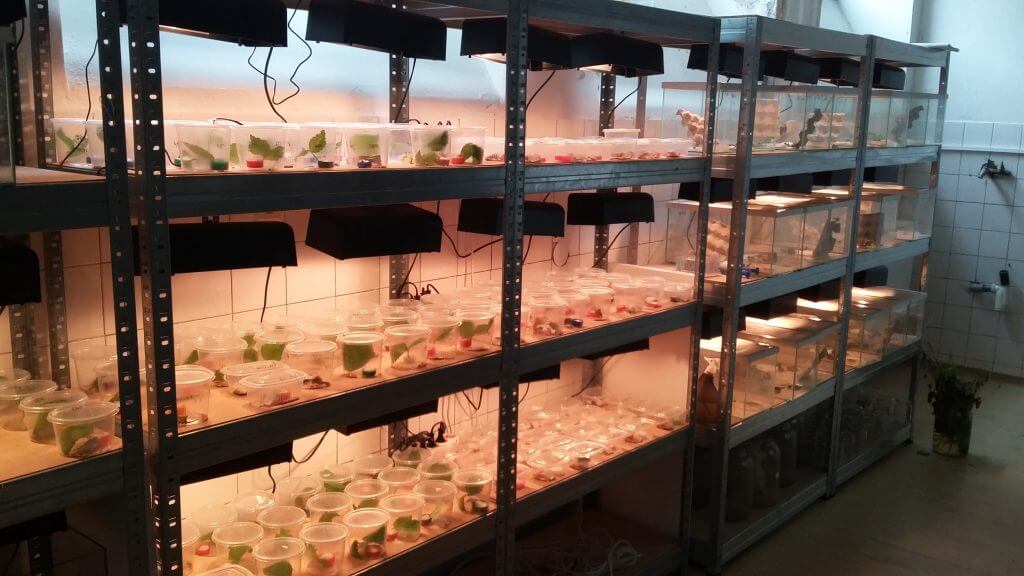
- sexual conflict in nuptial gift-giving bush-crickets
- habitat use of endangered species
- host-parasitoid co-evolution in spiders
Objectives
- to investigate biological phenomena, aiming to translate scientific knowledge into practical applications and solutions for wildlife conservation and research
- to search and understand behaviour of species in complex and changing environment of forest ecosystems for solving complex tasks
- to study algorithms responsible for maintaining group cohesion of social animals with higher cognitive abilities
- to study mechanisms for optimal mating strategy in systems with antagonistic co-evolution between the sexes
- to understand evolutionary adaptations with a potential in development of bio-inspired computational tools
Current Projects