 SAS
SAS
 HRS4R
HRS4R 


Head of the Research Group
Areas of research
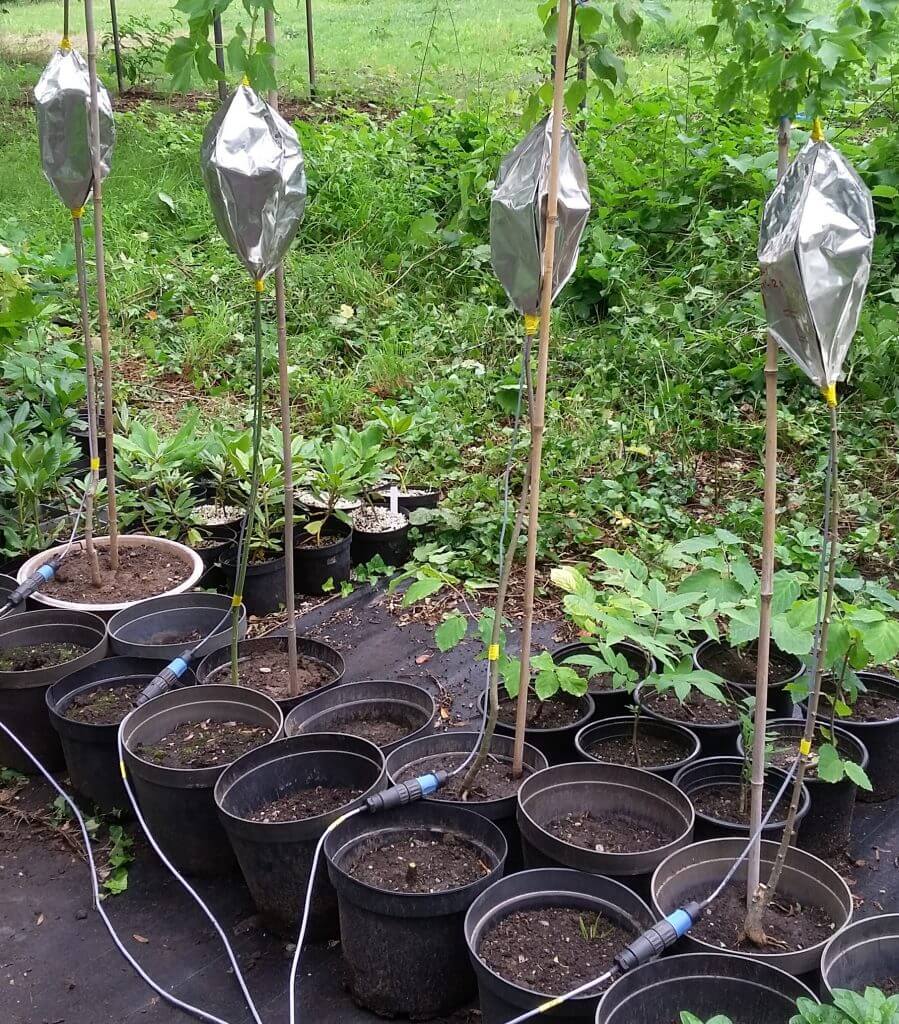
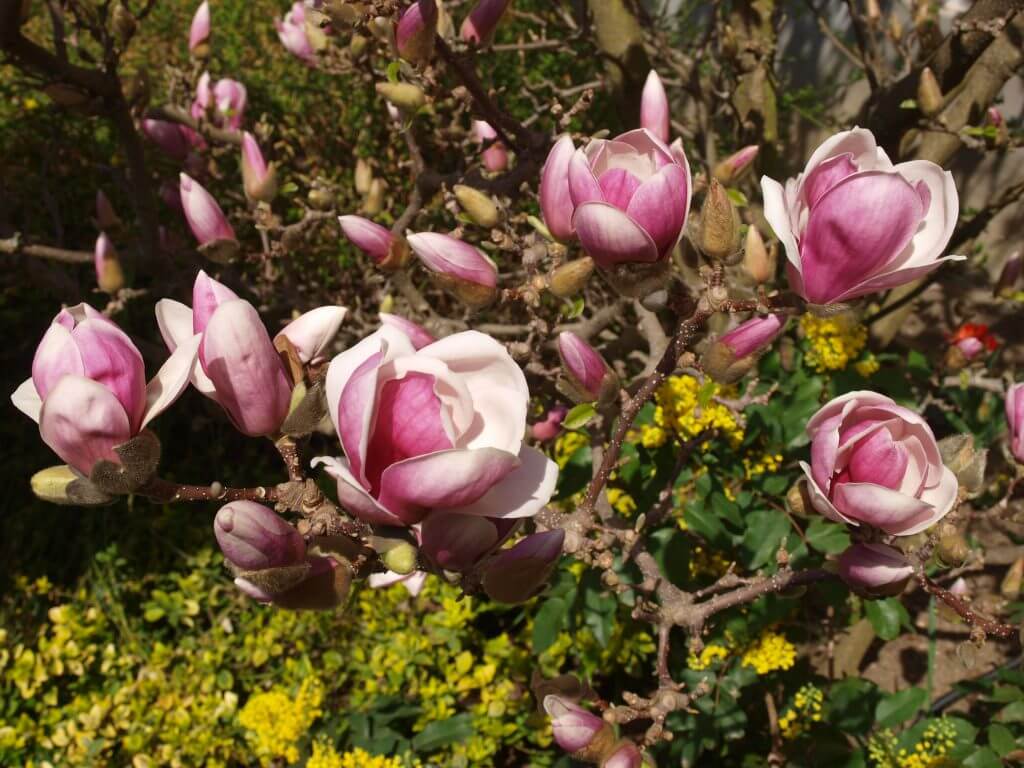
- Improvement of the abiotic stress tolerance in ornamental plantations for fitting the future climate/urban extremes, as based on the introduction programme of the allochtonous dendroflora in the Mlyňany Arboretum
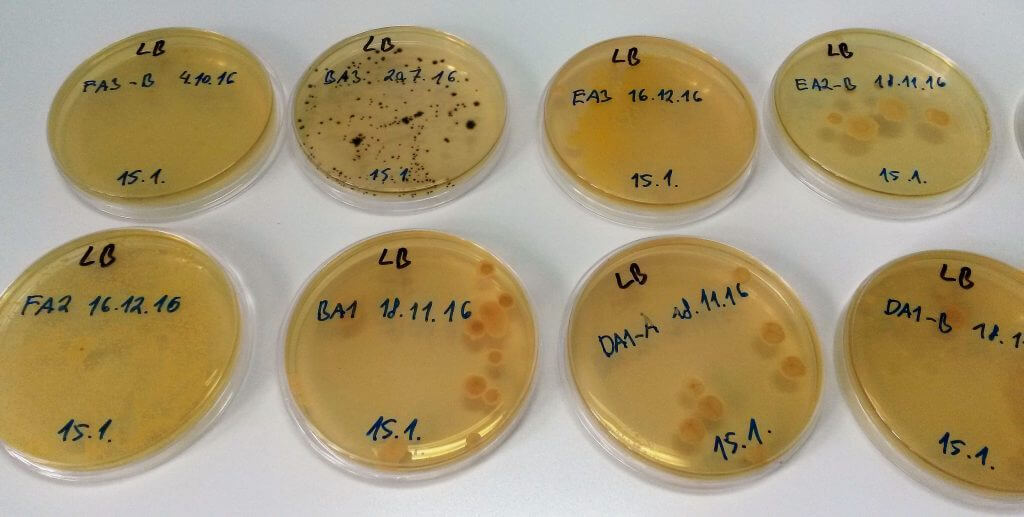
- Analysis of the endophytic microbiome dynamics in ornamental woody plants in respect of environmental and biological factors, endophytic microbiome bioprospecting in medicine and agriculture (screening for secondary metabolite production)
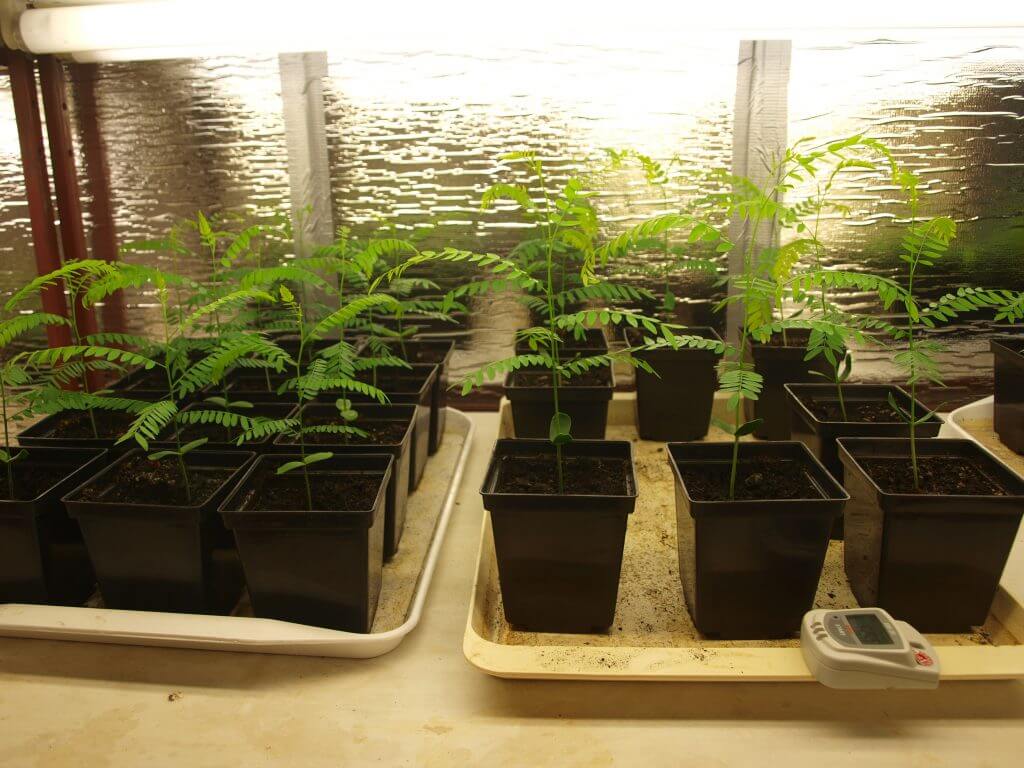
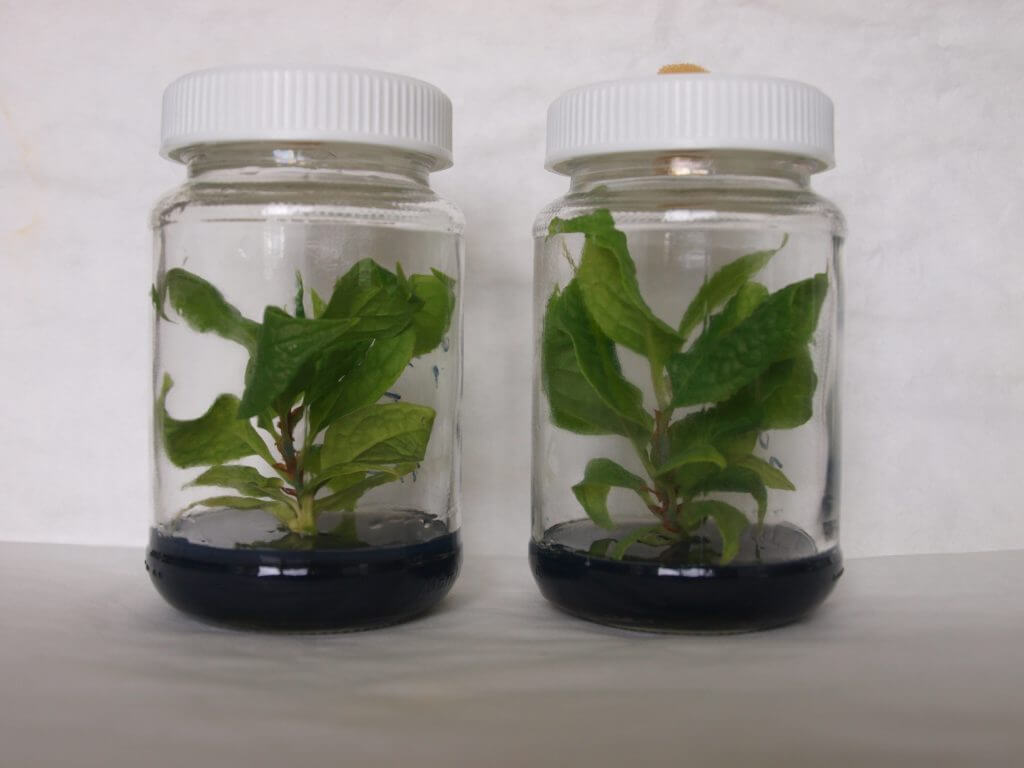
- In vitro protocols set up for micropropagation of the attractive woody plant genotypes
- Bio-technologies enhancing production of the pharmacologically active compounds in the woody plant tissues
- Assessment of the three-way interactions between plants, arthropods and microbes, effectivity of microbes in plant disease regulation and pH influence on the microbial composition (meta-analysis of the current knowledge utilizing statistical analysis and modeling)
- Study of the role of growth, reproduction-biology and eco-plasticity features in the woody plant invasion process, prediction of the future invasions
- Searching for bio-herbicides effective in regulation of the most dangerous invasive woody plant species, revealing of their metabolic targets
Objectives
- to enhance the abiotic stress tolerance in the introduced woody plant species for stabilization of the ornamental plantations under the continuous climate change/urban environment
- to better understand the seasonal dynamics of plant endophyte microbiome and factors shaping the endophytic community, to identify endophytes promoting plant growth and/or stress tolerance of woody plants as well as antimicrobial activities for plant protection/medicinal use
- to create protocols for effective micropropagation of the attractive ornamental woody plants
- to formulate methods for maximalization of the pharmacological compounds production
- to describe general patterns, knowledge gaps and most important impacts of three-way plant-arthropod-microbe interactions on woody plants to be able to predict outcomes of the complex biological interactions
- to reveal what is behind the switch of non-native woody plants to the invasive behaviour
- to identify effective allepathic agents/bio-herbicides able to suppress the most invasive woody plant species